F11: Full screen !!!
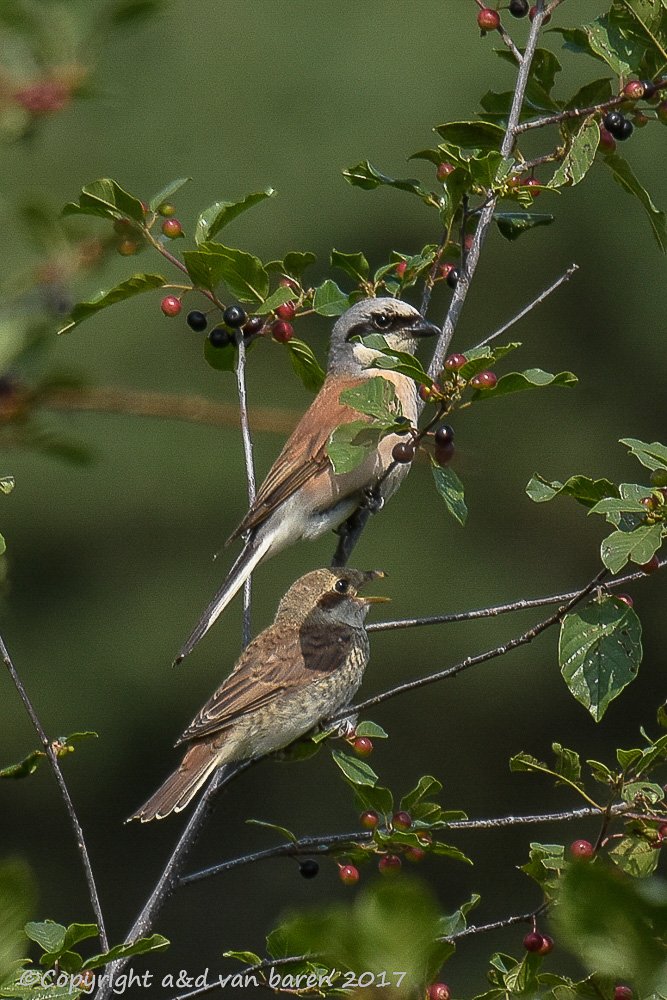
Birds are all rounders
Birds are allrounders. All of them fly or walk and will forage and rest at times.
Some run or swim. Some even dive below the water surface to catch fish.
All species sing and will fight to protect their territory. In spring they mate, nest and feed their young.
Sone species like to gather frequently and many migrate South bound or North bound every year.
Birding PREQUISITES
“First of all”: In order to recognise birds timely and avoid disturbing or chasing them, you definitely need to:
- Acquire and use sufficient (0%, standard, substantial, total=100%) camouflage, adequate (preferably lightweight) equipment and optimal settings thereof, move quietly, listen and observe.
- Build up, over the years, your personal set of knowledge and experience about occurrence, sounds, behaviour, etcetera of birds in your home country and or possibly abroad.
Birding is a by nature a lightweight activity because you have to move silently, often in difficult territory like swallow thick forest, rivers, wadi, bush, desert, etcetera. Birds can be hard to find and or extremely shy. You may easily disturb them, even without realising that you are doing this, if you did not notice them in the first place!
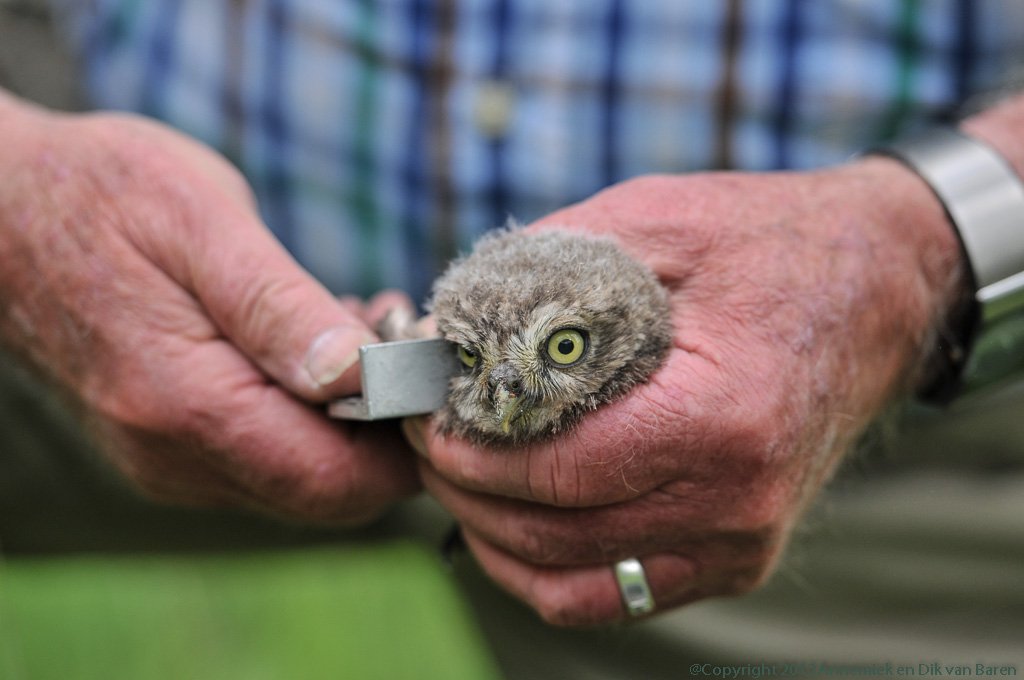
Many bird species are becoming extinct or endangered. So by all means try to avoid disturbing or chasing birds. Rather support and protect them wherever you can.
Make sure you notice and recognise them timely, particularly shy and or rare species like Bustards (Trappen), Shrikes (Klauwieren), Bee-eaters (Bijeneters), Kingfishers (IJsvogels) and the like. Best information sources are other birders, bird guides: blogs, magazines and trip reports. Look at Literature, links, etc. As soon as you start recognizing birds, their sounds and specific behaviour like “displaying”, mating, feeding their young, fighting, hunting, hoovering, bathing, migrating, etcetera, you will enjoy your birding and photography more and more…
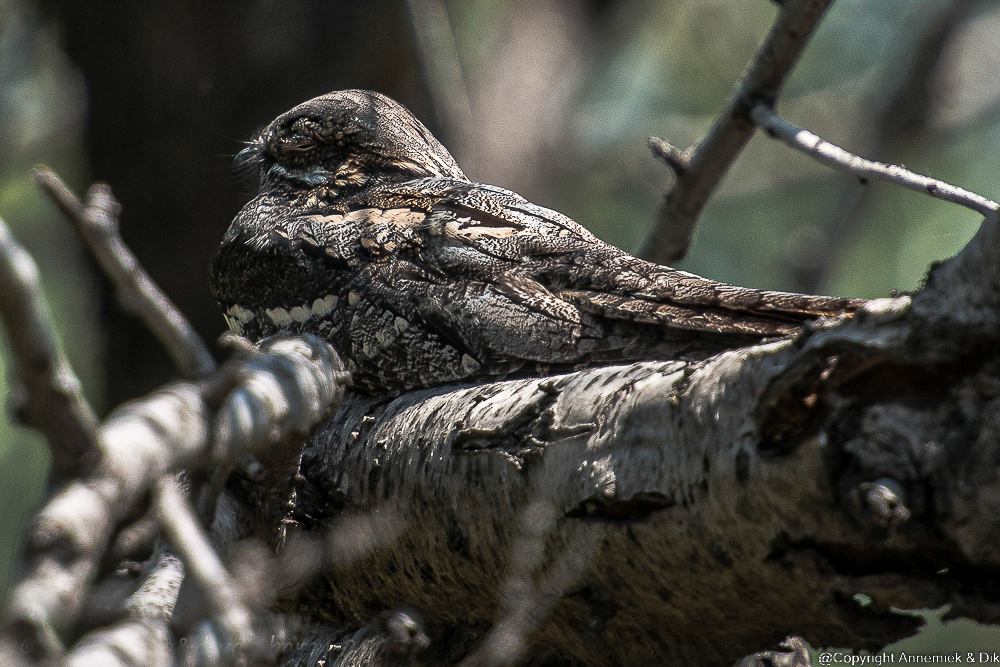
Wherever birds may be, always use appropiate camouflage: more about this subject at Camouflage. Move slowly, pause, listen, look around you and behind you. Be extra careful near ditches, bush, walls, water, etcetera. Some very shy birds like Woodcock (Houtsnip) or Sandgrouse (Zandhoen) don’t fly until you almost step on them!
Acquire knowledge about bird areas. Find or learn from birders where you can observe birds in your own country or abroad, where and when they breed, feed, bath, drink, etcetera. Mark spots on your maps abroad “for next year”. Visit interesting areas frequently, some may become your favourite birding spots for many years. Enjoy the “feast of recognition” in the next year or next time when you return over there.
Once more and most of all: develop some knowledge about bird behaviour: Learn to recognise their song and other sounds, their signals, movements, food, etcetera so you can spot them in time from safe distance and occasionally photograph them. This precious personal set of “birding knowledge” will make you enjoy your birding more and more. You also may share it with other birders. That is the way it works …
Only for your information and for what it is worth, some information about the equipment we used over de last twenty five years birding:
“Digicompacts” (for digiscoping) and system camera’s
- Canon Powershot G3 (high quality digicompact)
- Fujifilm Finepix FS100FS (still in use, highquality digicompact, very good lens!)
- Panasonic LX3 (wonderful camera!)
- G1 (perfect digiscoping compact, RAW files), G3 (perfect digiscoping digicompact, RAW files)
- Nikon Coolpix P5100 (oldtimer yet good digiscoping compact, RAW files)
- Nikon System 1 V1 (our “champion” (high quality digiscoping digicompact, RAW files)
- Nikon D300, D800, D7200, D500, V1, V3, J5, Z50 and Z7 (courtesy Nikon) and Z7 II.
Lenses
- Digiscoping: Panasonic Lumix 20mm f/1.7, 1 Nikon 18mm f/1.8
- Nikkor 70-200mm f2.8 VR II
- Nikkor 300mm f/2.8 VR II (spendid lens, great bokeh!)
- Nikkor 300mm f/4D (“famous” because incredibly rich detail)
- Nikkor 300mm f/4E PF VR (great quality ultra lightweight, perfect detail)
- Tamron 200-400mm f/5.0-6.3 (courtesy Tamrom)
- Nikkor 200-500mm f/5.6E PF VR (good however replaced by Nikkor 500mm f/5.6E PF VR) (relatively ultralight and top quality lens, mostly used with Nikon Z camera’s and TC-20E III)
- Sigma Sport 150-600mm f/5.0-6.3 OS (pro quality build, relatively heavy, pro optics)
- Tamron G2 150-600mm f/5.0-6.3 DI VC FSD. (perfect zoomlens, relatively light, high optical quality).
Converters
Nikkor TC-14E II and III, Nikkor aspherical TC-20E III great quality optics, high quality Sigma 1.4 converter TC1401 and high quality Tamron 1.4 converter TC-14X.
Telescopes
- Kowa Prominar aperture 82mm (high optical quality)
- Nikon Fieldscope ED82 (very easy handling, lightweight, very good quality)
- Swarovski STM50HD (lightweight, high optical quality)
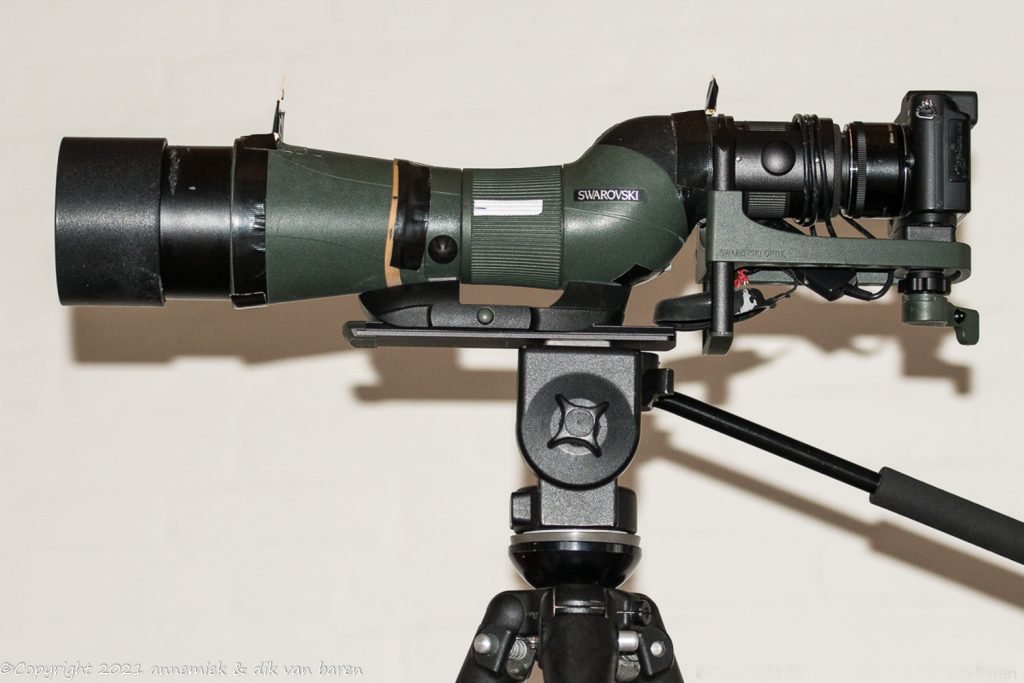
- Swarovski STM80HD (high optical quality, absolutely perfect universal digiscoping adapter UCA).
Binoculars
- Swarovski 10 x 42 and 8 x 42
- Pentax AD 9 x 28 WP (small, lightweight, good optics, fits in our pocket).
- Swarovski NL 8 x 42 (stirdy, superior optics, lifetime binoculars for (semi) pro birder).
Tripods (in case of large distance birds and or digiscoping)
- Gitzo (heavy but required for rather heavy Nikkor 300mm f/2.8 VR II
- Cooman (light but sufficiently stable good tripod for example with Nikkor 500mm f/5.6E PF VR).
Tripod heads
- Wimberley (for example with heavy Nikkor 300mm f/2.8 VR II)
- Sirui (perfect light stable for example with lightweight Nikkor 500mm f/5.6E PF VR).
“Harnas”
- If for some reason you to safely carry your camera at your breast or a (second) camera at your hip try a “harnas” It keeps both your hands free, so you can move, bow or run far more easy.
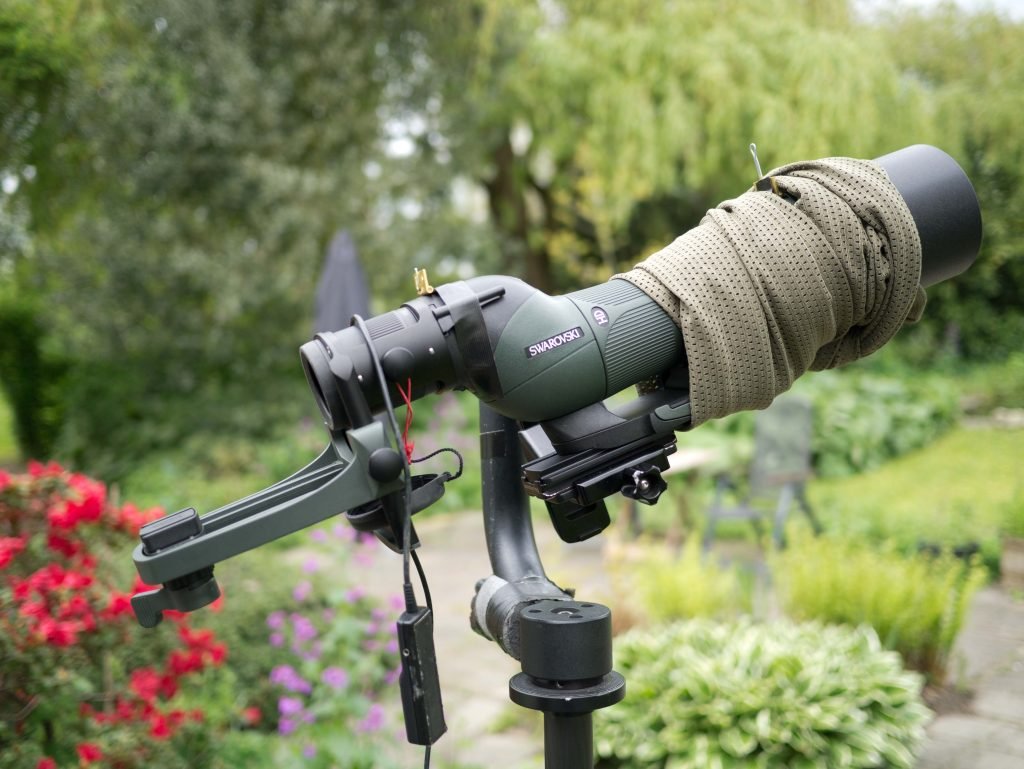
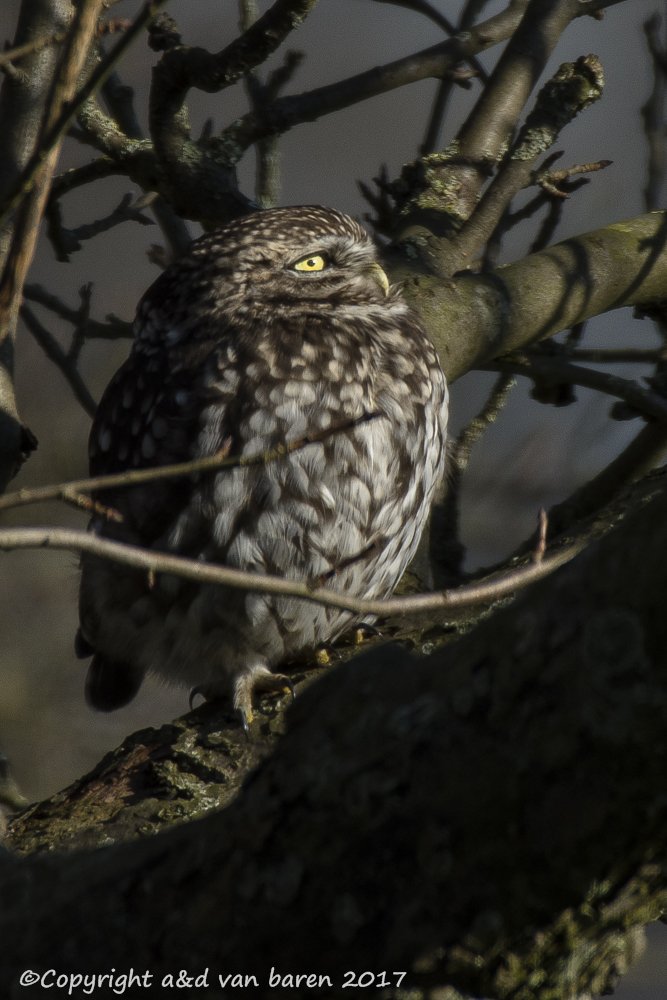
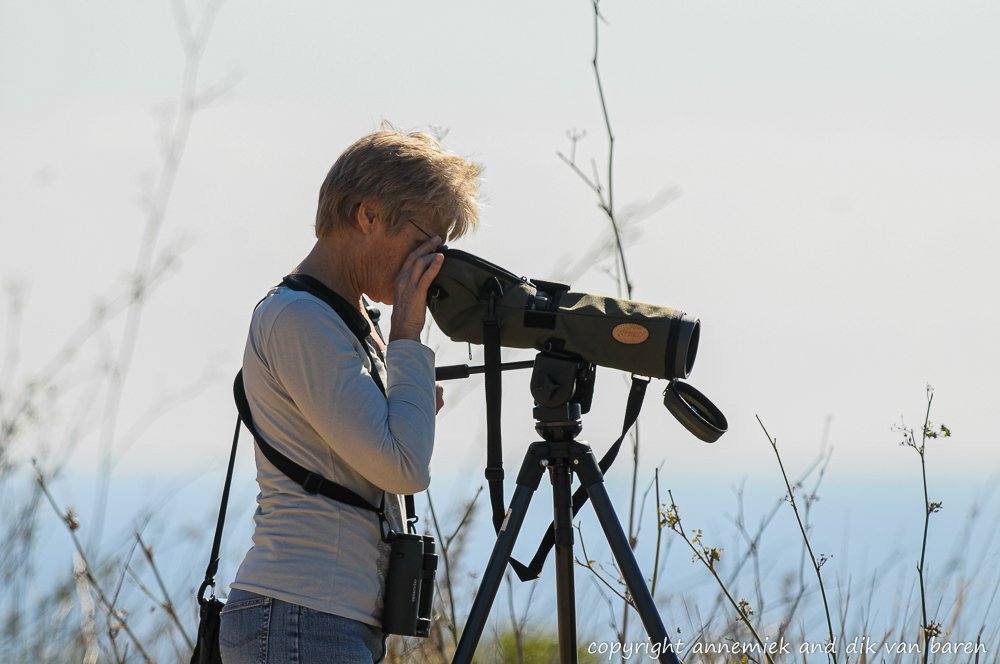
Bird watching, bird protection and equipment:






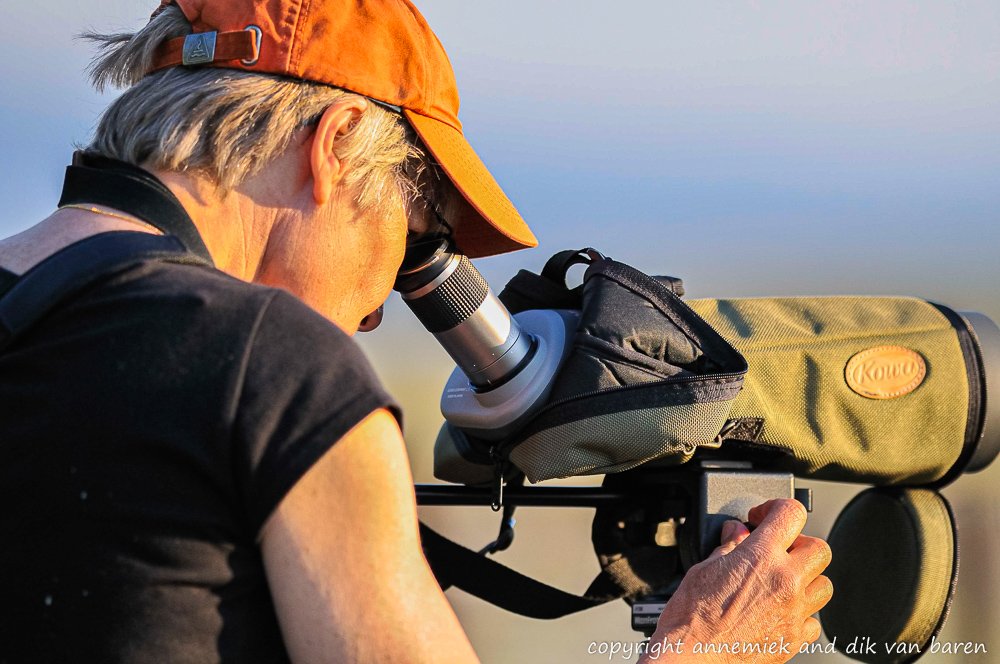






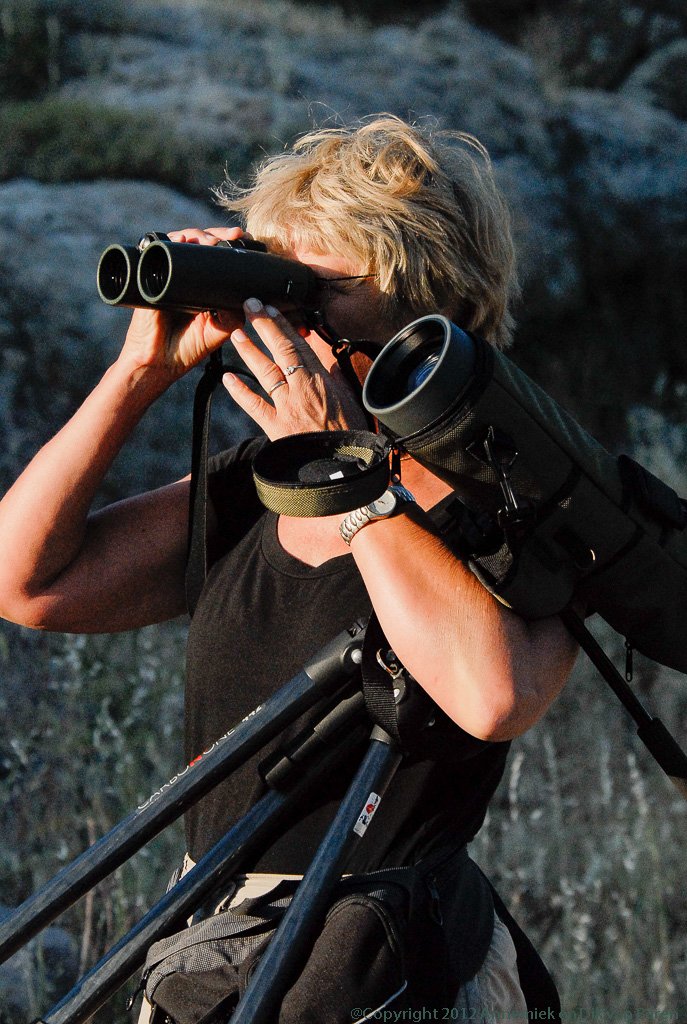
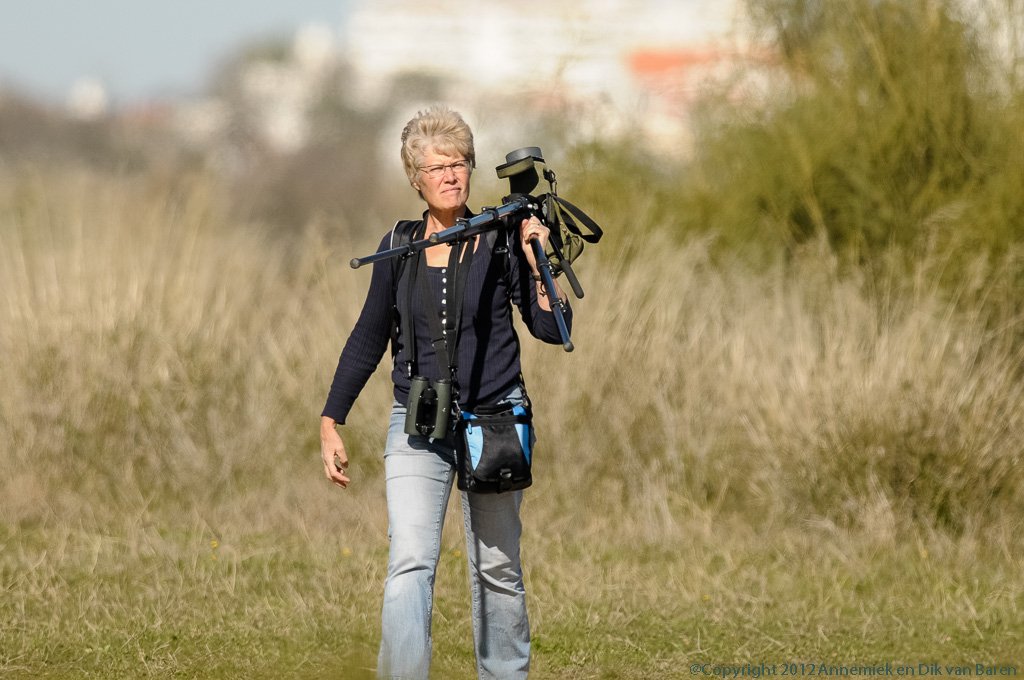
Digiscoping scope Swarovski STM80HD digicompact Panasonic G3:


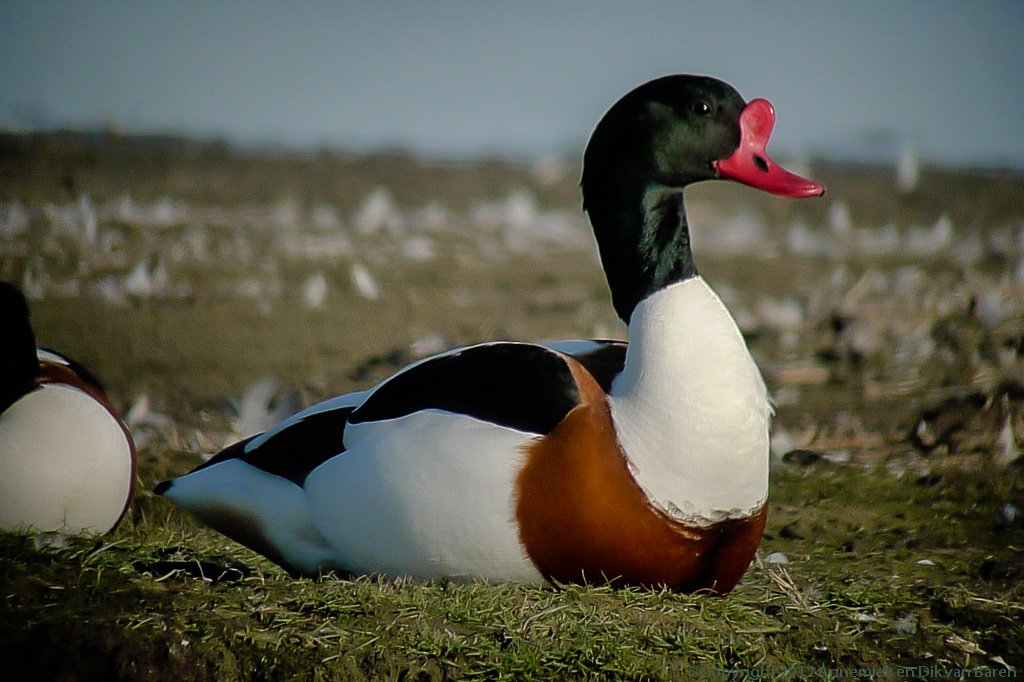
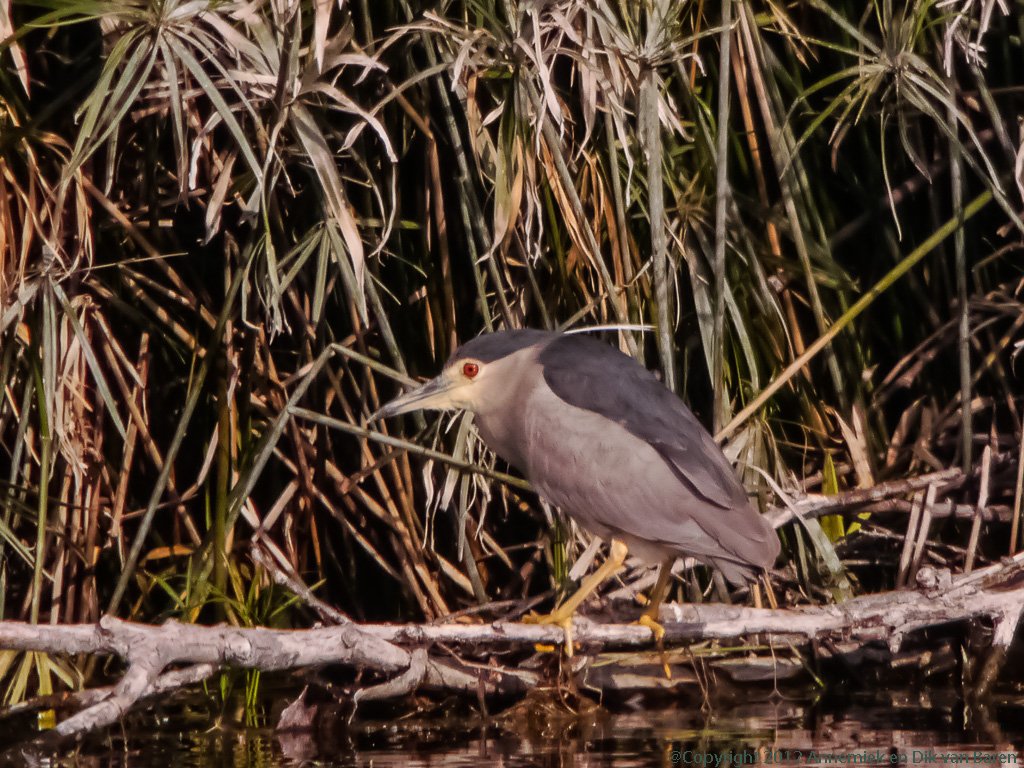
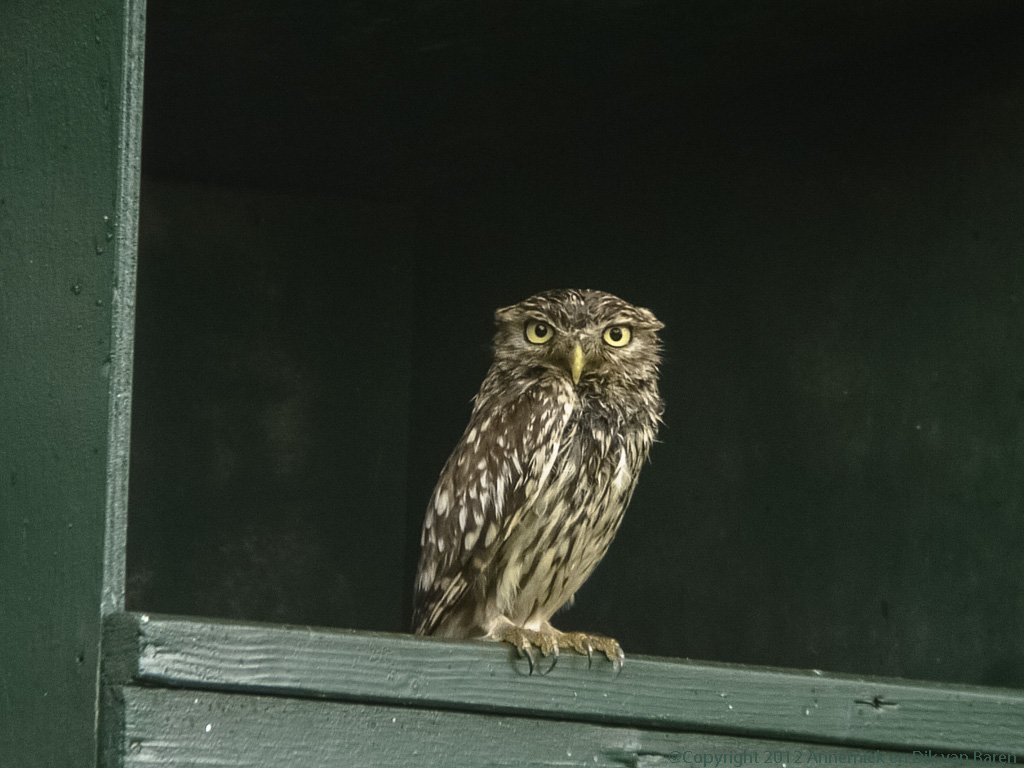


Digiscoping scope Swarovski STM80HD Panasonic digicompact Nikon System 1 V1:


Illustrating digiscoping using digicompact Nikkor System 1 V1:


Birds are all rounders
Birds are allrounders. All of them fly or walk and will forage and rest at times.
Some run or swim. Some even dive below the water surface to and catch fish.
All species sing and will fight to protect their territory and in spring mate, nest and feed their young.
Many species like to gather from time tot time
Some migrate South bound or North bound every year.

Pingback: 1 Camouflage Light – LIGHTWEIGHT BIRD PHOTOGRAPHY