Foto at top: Holland cloudy black-necked Grebe (Geoorde fuut) size 30cm distance 30m equivalent 1050mm D500 Nikkor 500mm f/5.6E PF VR standard camouflage. One of the most beautiful birds in Holland. APERTURE mode Birds 1/1000 f/8 ISO 2000 -1/5EV. @dik chk
F11: full screen
At this page we will review ten examples of estimating actual Reach (Bereik) so you can familiarize yourselfwith this method of estimating actual reach (bereik).
The overall idea is: (while photographing) try estimating the amount of pixels (not the number) of the bird image in the actual picture with the bird image in the benchmark picture. (If it helps you use in your mind some kind of rectangle containing the entire body of the bird but not more as illustrated in this sketch):
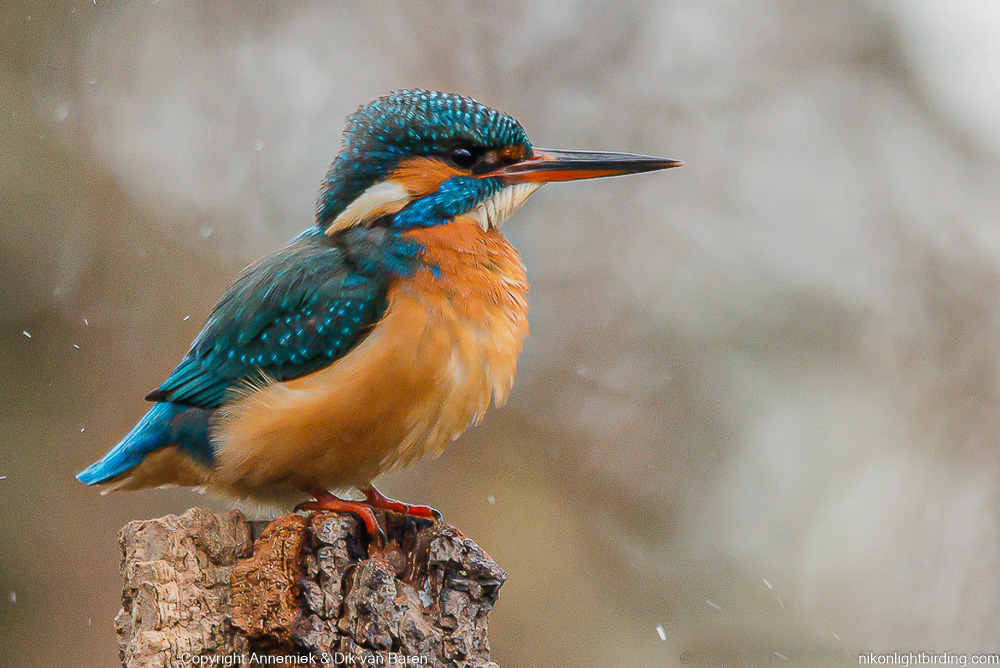
Once more our “benchmark picture”:
The “height” of the bird image of the Kingfisher is about 50%of the total height of the picture.
While making the photograph of a certain bird and comparing the amount of detail of the bird image in the actual picture with the amount of detail in the bird image of our benchmark picture, we compare either height or width bird in actual picture with respectively height or width bird benchmark picture. In both cases we are in using the “length” of the birdbody, something like head-through-tail-excluding extraordinary long beak or neck or tail feathers of the bird as ameasure for the amount of sufficiently resolved pixels of the entire bird. The bird itself is either vertically situated or horizontally situated in the picture as you can see in the following ten example pictures.
We deliberately exclude a possible extraordinary long beak or tail because these body parts can be extraordinary long with certain species like Stork, Heron, Swan, Phaesant, Long-tailed Tit and the like and they do not really contribute to the amount of detail in the bird image. In the end we are considering either net height or net width of the bird body as being representative for the size of the entire bird image in the picture. After all this estimate is no exact quantification. This may all sound a bit complicated but it works out fine and it is definitely effective in our bird photography, years already. So take your time to understand it. Aftrer sometime you will automatically perform thios “‘estimating” in a split second. Compare it with how a tennis player “estimate” what would be the best spot to return the ball in the opposite half of the field: in a split second while repositioning his racket in his hand and hitting the ball with a certain force…
Example 1 Anser Fabialis
Holland November 2023 partially cloudy, beautiful Toendrarietgans (Anser Fabalis) breeding in North Siberia, size 85cm distance 35m equivalent 1050mm Z50 Nikkor 500mm PF VR f/5.6E standard camouflage. Crop 2700 x 1800. Bird “horizontally positioned”.
Our estimate: About comparing length of actual bird head-to-tail-excluding-beak-or-neck in this picture with lengthhead-to-tail-excluding-beak-or-neck Kingfisher benchmark picture: 40% over 50%.
Example 2 Kingfisher
Holland May 2019 Kingfisher (IJsvogel) direct sunlightsize 16cm distance 30m equivalent 1500mmZ7Nikkor 500mm f/5.6E PF VR substantial camouflage 1/3000 f/11 ISO 500 -1.0EV. Bird looks up at nest, wife breeding. Notice those typical black wingtops. Crop 2100 x 1400.
Our estimate: About comparing length actual bird head-to-tail-excluding-beak-or-neck in this picture with lengthhead-to-tail-excluding-beak-or-neck Kingfisher benchmark picture: 40% over 50%.
Example 3 Buzzard
Holland 2019 sun Buzzard (Buizerd) size 54cm distance 45m equivalent 1050mm D500 Nikkor 500mm f/5.6E PF VR standard camouflage 1/4000 f/8 ISO 400 -1.5EV .This picture clearly shows the great quality of this Nikkor 500mm PF, our favourite lightweight tele.Crop 3000 x 2000.
Our estimate: Roughly comparing lengthhead-to-tail-excluding-beak-or-neck of actual bird in this picture with lengthhead-to-tail-excluding-beak-or-neck Kingfisher benchmark picture: 50% over 50%.
Example 4 Great Silver Heron
Holland sun Great White Heron (Grote Zilverreiger) size 95cm distance 75m equivalent 1050mm Z50 Nikkor 500mm f/56E PF VR APERTURE Mode Birds 1/2000 f/8 ISO 100 -1.0EV standard camouflage. Crop 3300 x 2200.
Our estimate: Roughly comparing lengthhead-to-tail-excluding-beak-or-neck of actual bird in this picture with lengthhead-to-tail-excluding-beak-or-neck Kingfisher benchmark picture: 35% over 50%.
Body Great Silver is not really large and distance rather large in this case. The amount of detail is largely thanks to the supreme quality of the Nikkor 500 PF in this case. Notice also the wonderfully visible gradation in the white feathers.
Example 5 using cropping level 2700 x 1800
Holland Cormorant (Aalscholver), sun, D500 Nikkor 500mm f/5.6E PF VR size 90cm distance 40m (EXIF data 39.79m), 35mm equivalent 1050mm, standard camouflage, APERTURE Mode Birds.Crop 2700 x 1800.
Our estimate: About 90% detail benchmark picture (roughly comparing relative head-to-tail-excluding bird this picture with amount of detail bird image area Kingfisher benchmark picture).
Example 6 using cropping level 2400 x 1600
Holland sun Kingfisher (IJsvogel) size 17cm distance 55m equivalent 1500mm. Z7DX Mode Nikkor 500mm f/5.6E PF VR substantial camouflage. Crop 2400 x 1600.
Our estimate: About 40% detail benchmark picture (roughly comparing relative height bird this picture over relative height Kingfisher bird benchmark picture).
Example 7 using cropping level 2700 x 1800
Holland sun Kingfisher (IJsvogel) size 16 cm distance 40m meter equivalent 1500mmexceptionally clean atmosphere Z50 Nikkor 500mm f/5.6E PF VR substantial camouflage. Crop 2700 x 1800.
Our estimate: About 50% detail benchmark picture (roughly comparing relative height bird this picture over relative height Kingfisher bird benchmark picture).
Example 8 using cropping level 1900 x 2700
Holland June 2023 deep shadow Swallow (Boerenzwaluw) 19cm distance 6m size 40cm equivalent 750mm Z50 Nikkor 500mm f/5.6E PF VR standard camouflage. APERTURE Mode Birds 1/250 second f/5.6 ISO 6400. At 6400 ISO quite acceptable picture of Z50.Crop 1900 x 2700.
Our estimate: about 100 % detail benchmark picture (roughly comparing relative height bird this picture over relative height Kingfisher bird benchmark picture).
Like always the spot of light in the eye makes the picture being alive!
Example 9 using cropping level 1900 x 2700
Holland 2023 Kingfisher (IJsvogel) sun in shadow juveniles first day out nest size 16cm distance 25m equivalent 1500mm Z50 Nikkor 500mm f/5.6E PF VR APERTURE Mode Birds 1/1000 sec f/11 2000 ISO -1.5EV substantial camouflage. RAW converted edited full APS-C format 5568 x 3712.
Our estimate: About 60% detail benchmark picture (roughly comparing relative height bird image his picture with relative height bird benchmark picture: about 60%detail over 50%benchmark picture). Notice wondeful nuances blue in this picture by Nikkor 500 PF!
Example 10 using cropping level 1900 x 2700
Holland winter sun Whooper Swan (Wilde Zwaan), always in winter in Holland. size 150cm distance 50m, some snow (not visible atn this spot), V3 Nikkor 300mm f/4E PF VR equivalent 1135mm total camouflage.Beautiful birds!
Our estimate: About 90% detail benchmark picture (roughly comparing relative head-to-tail-excluding bird this picture with amount of detail bird image area Kingfisher benchmark picture).
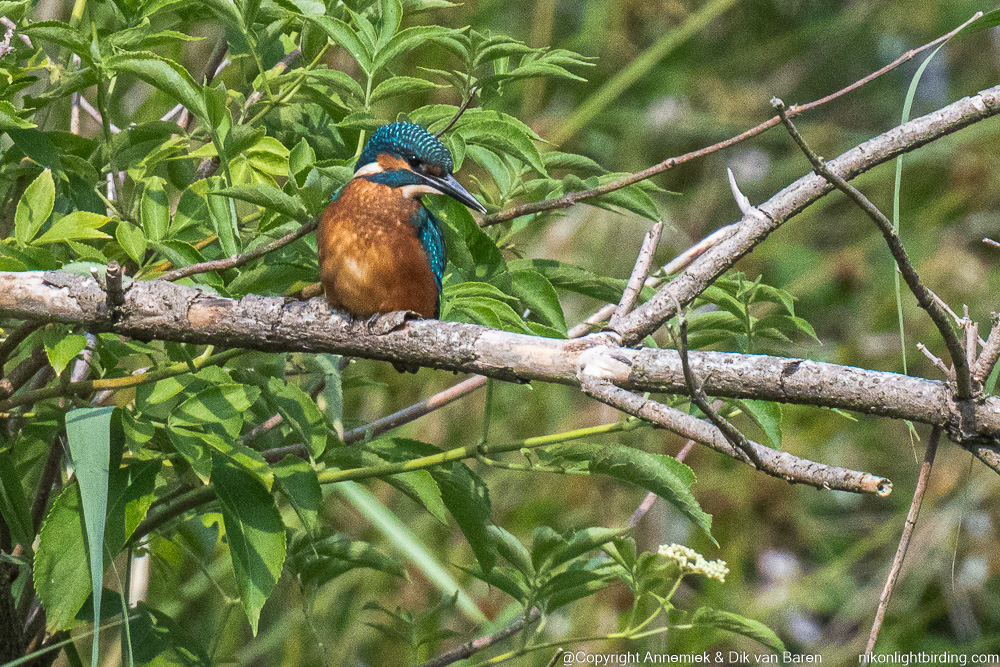
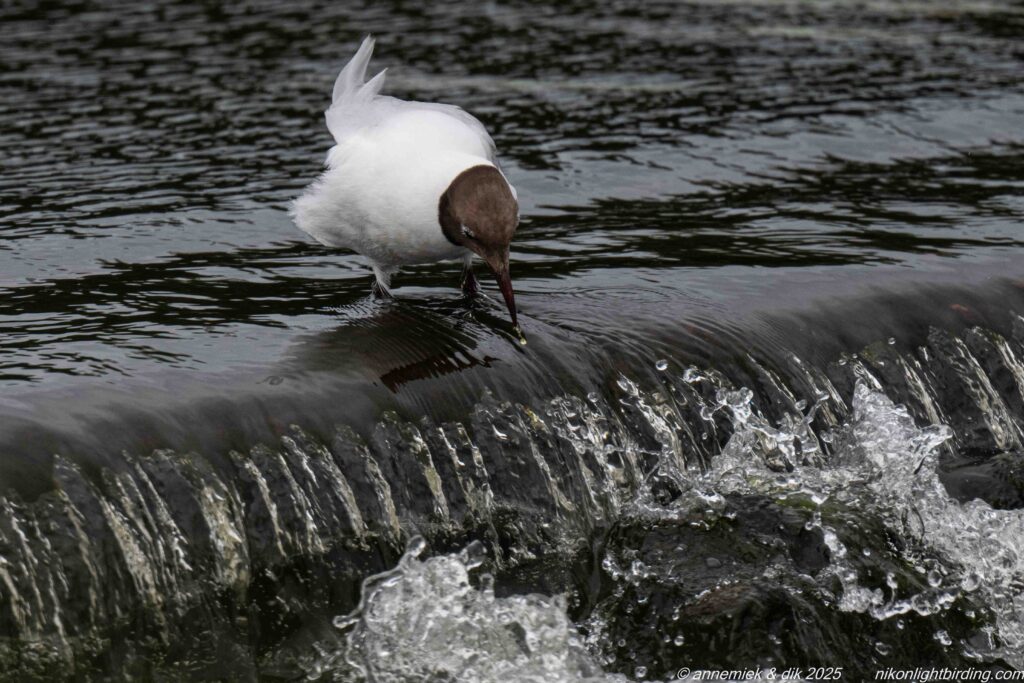
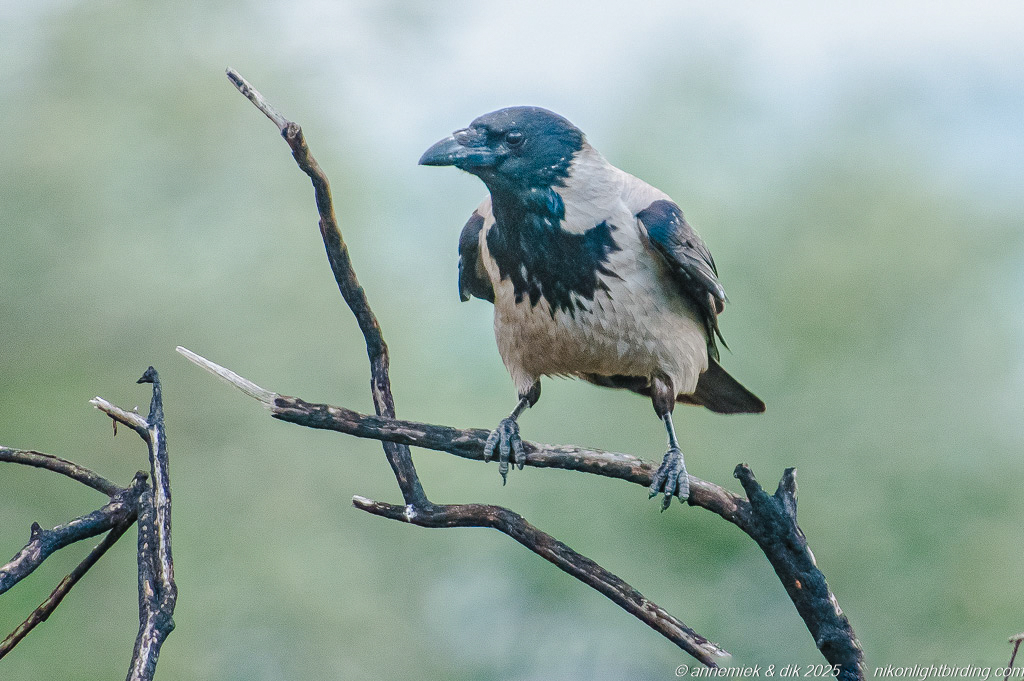
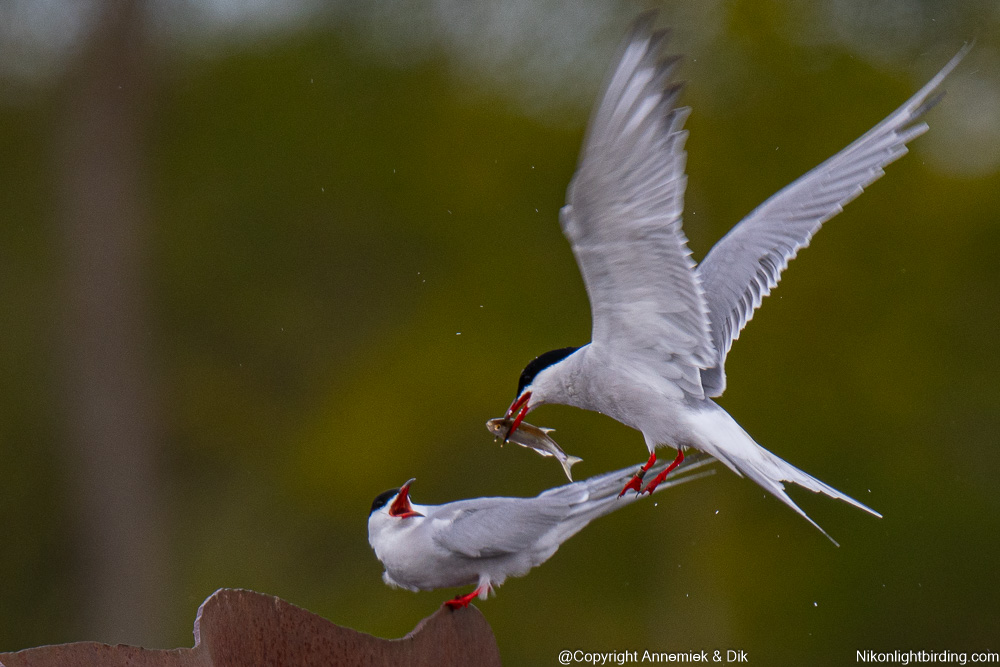
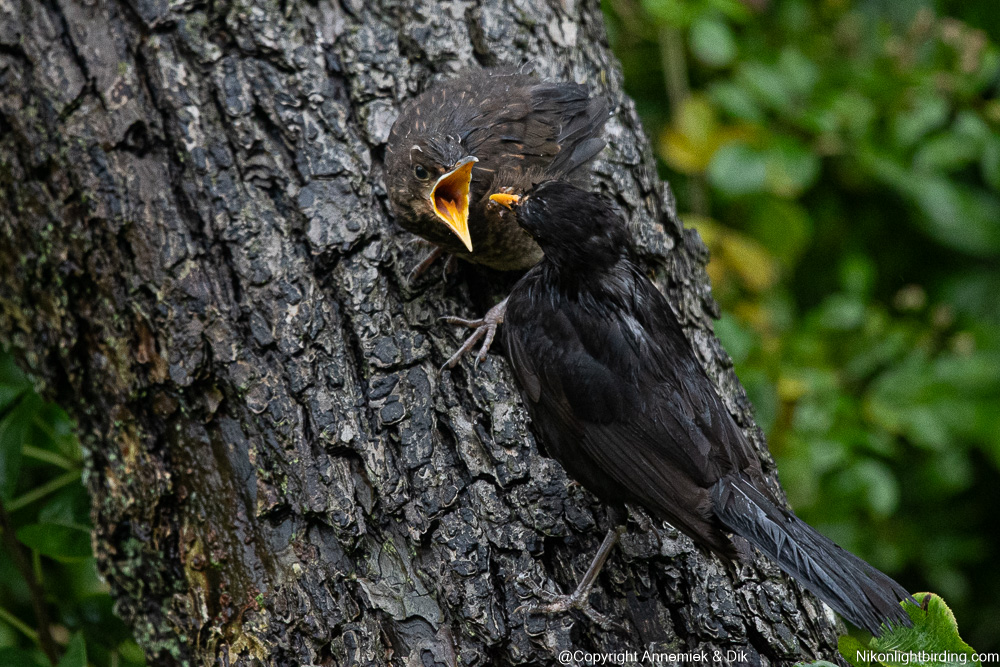
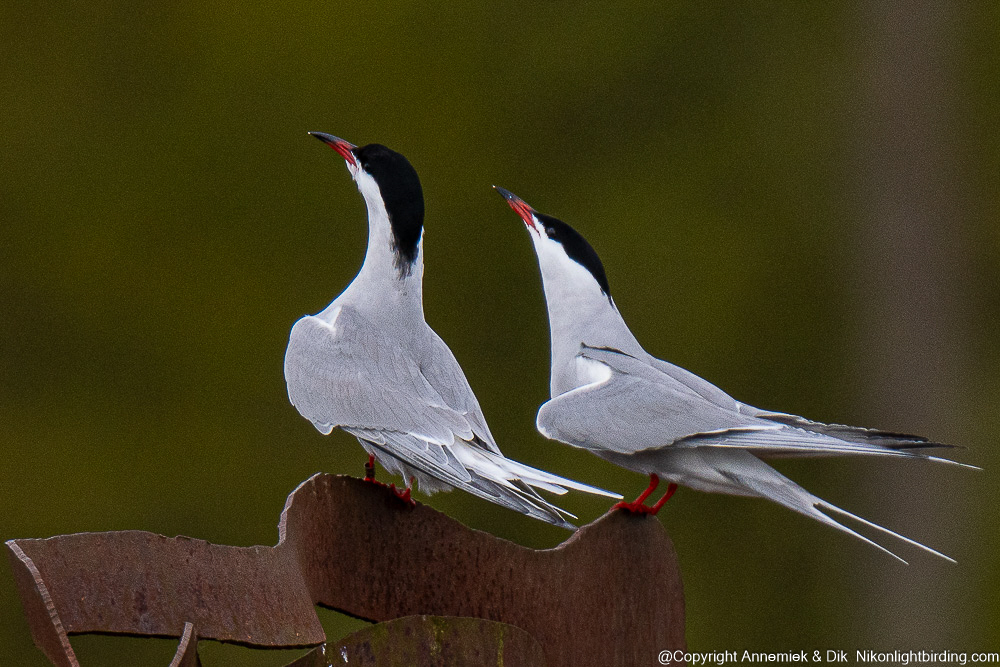
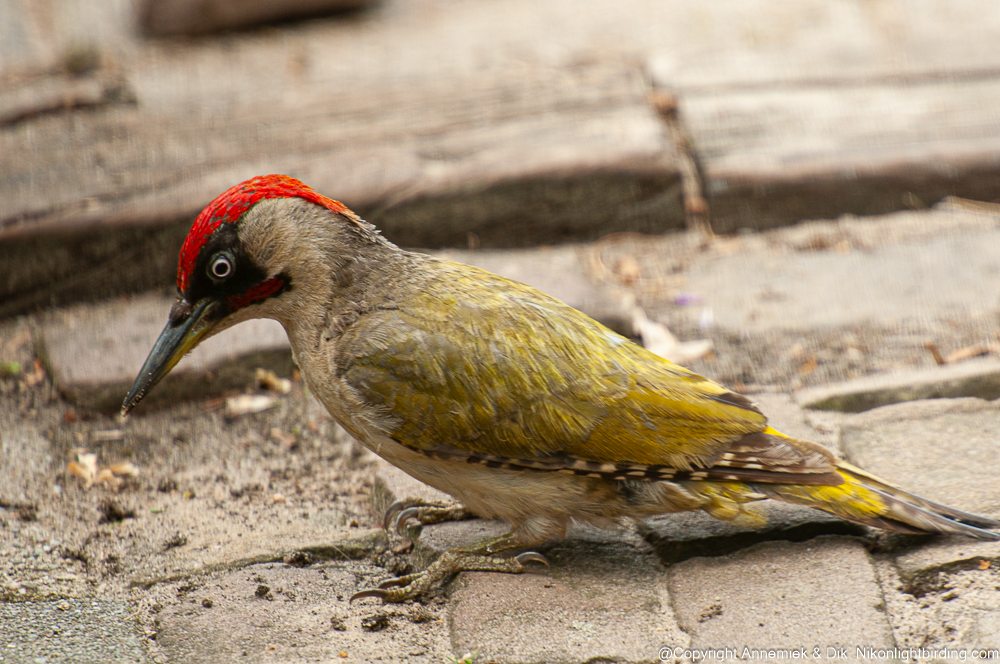
If you want to exercise more in using this method for quantifying reach(bereik), pleas use some of the examples in the following galleries of Kingfishers and various bird species:


















Pingback: 1 Reach (bereik) – nikonlightbirding
Pingback: WS6 EXPOSURE TIME – nikonlightbirding
Pingback: ACTION – nikonlightbirding
Pingback: WS 4 APERTURE – nikonlightbirding
Pingback: WS 5 ISO – nikonlightbirding
Pingback: HOME 2 – nikonlightbirding
Pingback: txt home page – nikonlightbirding
Pingback: WS 3 APERTURE, ISO, EXPOSURE TIME – nikonlightbirding