F11: full screen !!!
Photo at top: Morocco sun Glossy Ibis (Heremiet Ibis) distance 75m Nikon Fieldscope ED82 30X Panasonic G3 Lumix 20mm f/1.7 equivalent 1200mm standard camouflage. Extremely rare, almost extinct species.
What precisely is digiscoping?
Digiscoping is by no means the only or the best method ffor photographing birds however it gives you an emormous reach (bereik). Using a modern smartphone or high quality digicompact in combination with a high quality telescope being a telelens with exceptional reach (bereik). Many birders are quite happy using it and produce great bird photographs and videos. Don’t underestimate the power and potential of digiscoping.
Digiscoping is using a telescope (sometimes unstabilised and always manual focus only) in combination with a high quality digicompact like Nikon System 1 V1 (our favourite “digiscoping champion”) or Panasomic G3, both with high optical quality 20mm lenses. One combines the exceptional reach and optical quality of the telescope with the image quality of a digital camera. The one and only disadvantage is the “manual focus only” of the telescope. Also the adapter telescope-camera is a critical element in digiscoping! However in our experience particularly the Universal UCA adapter of Swarovski is perfect.
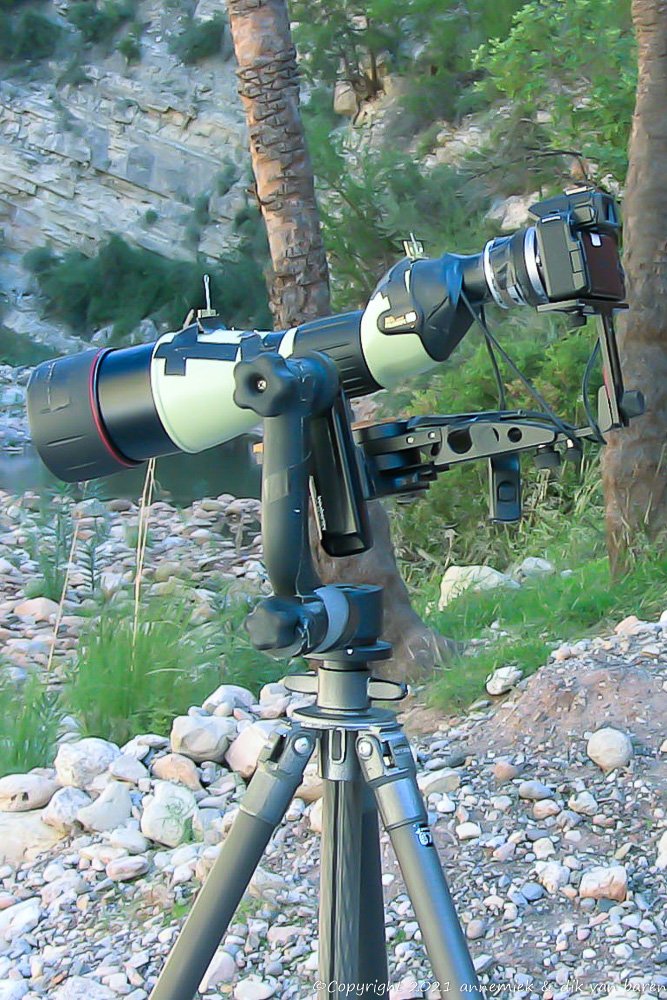

@dik qqq yet picture STM50HD swaro50 and adapter
Smartscoping
Smartscoping is using a telescope in combination with a high quality smartphone like iPhone or Samsung + adapter. In that way you combine the exceptional reach and optical quality of a telescope with the image quality of a smartphone. The one and only important disadvantage also here is that one has to use manual focus of the telescope in stead of the autofocus of the smartphone.
Are digiscoping and smartscoping usable at all?
Apart from the manual focus-disadvantage digiscoping and smartscoping both remain to be a respected and very effective method in bird photography:
One always carries but one piece of rather light equipment.
One always stays at safe distance from shy or vulnerable species.
We structurally have been using digiscoping and recently use smartscoping next to our standard photography and also incidently use videography. Look at VIDEOS
And just for the fun of it: look at these two more or less similar pictures of Night Heron below:
1) Lesbos 2027 Night Heron (Kwak) sun 75m Nikon telescope ED82 Panasonic G3 20mm f/1.7.
2) Holland 2024 Night Heron (Kwak) juvenile sun 150m Nikkor Z50 Nikkor 500 mm f/5.6E PF VR.
By the way the second picture once more demonstrates superb quality 1450 gram Nikkor 500mm f/5.6E PF VR.
…


2017 sun Night Heron (Kwak) 75m scope ED82 G3 20mm f/1.7 equivalent 1200mm and Holland sun 2024 Night Heron (Kwak) juvenile 200m D500 Nikkor 500mm f/5.6E PF VR f/5.6E equivalent 1050mm.
…
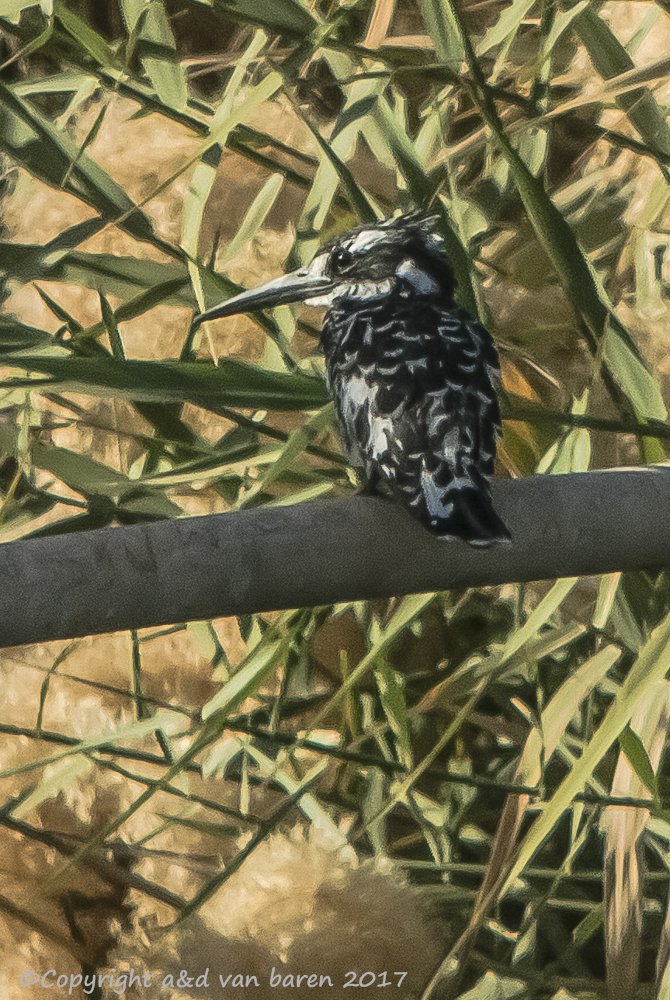
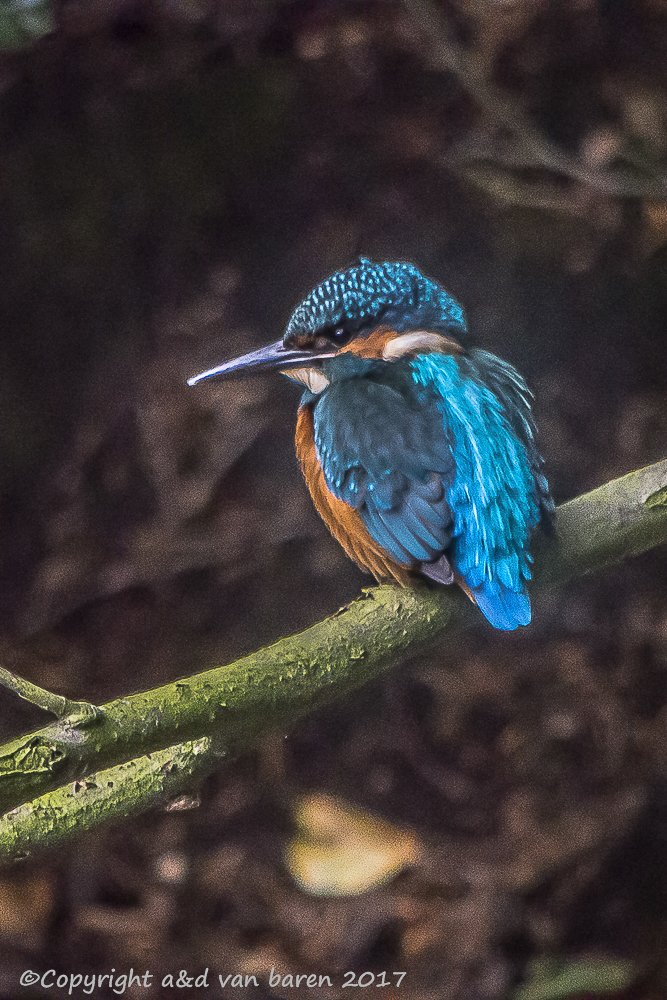
Examples of both digiscoping and smartscoping


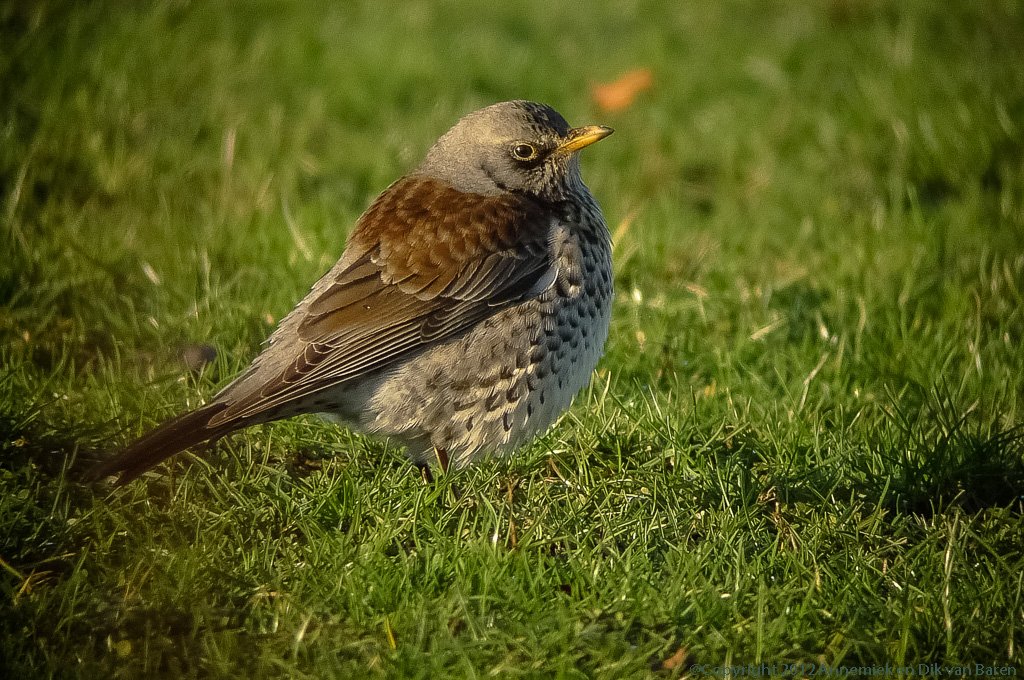

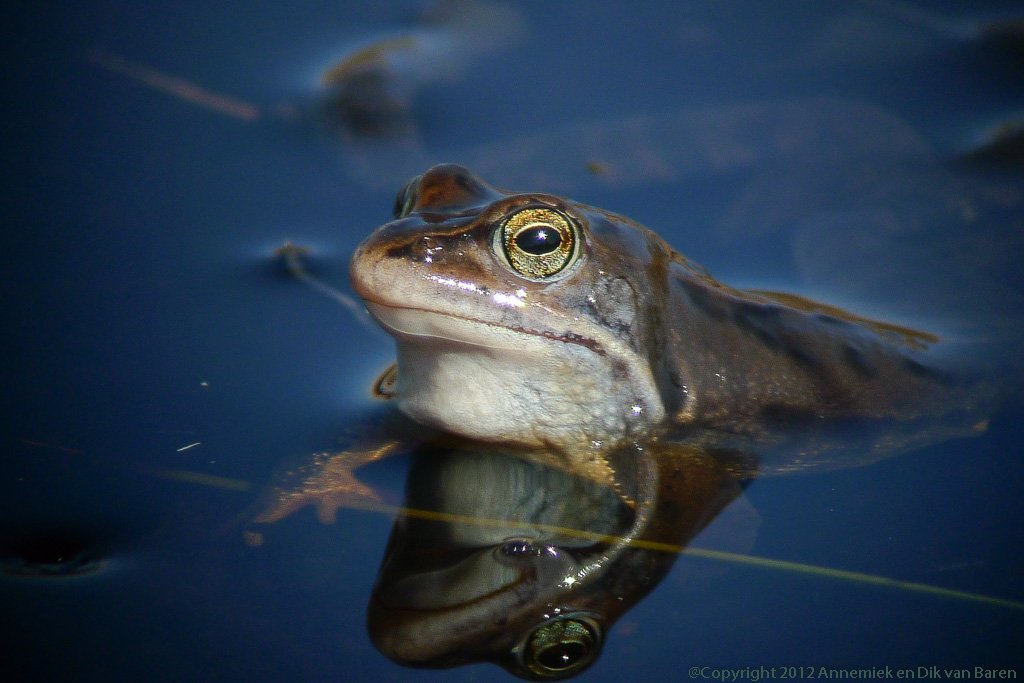
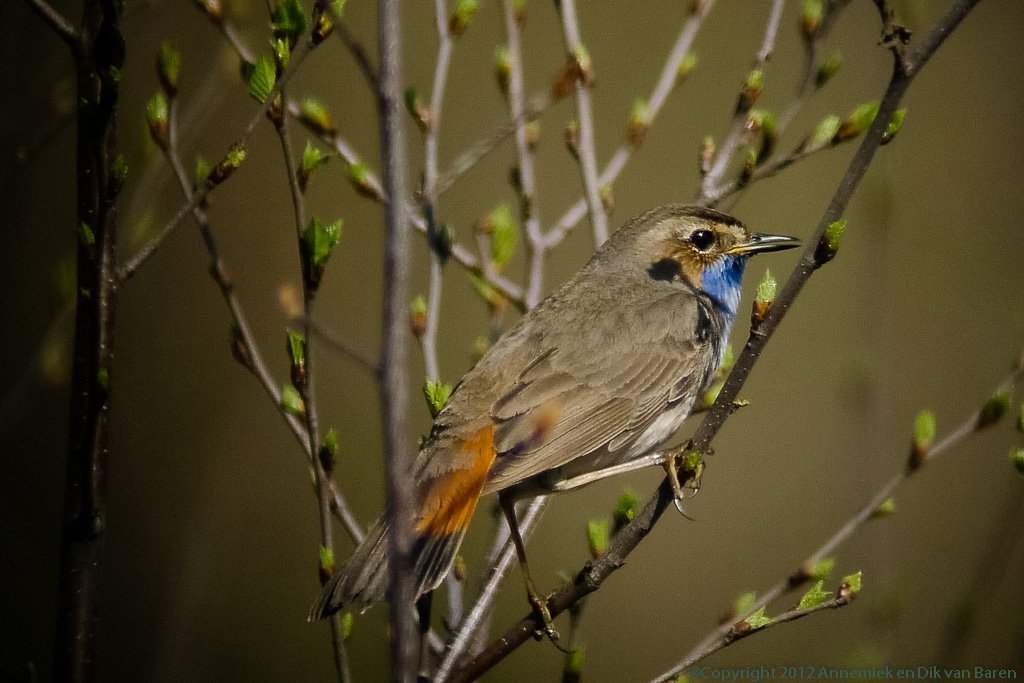




…
