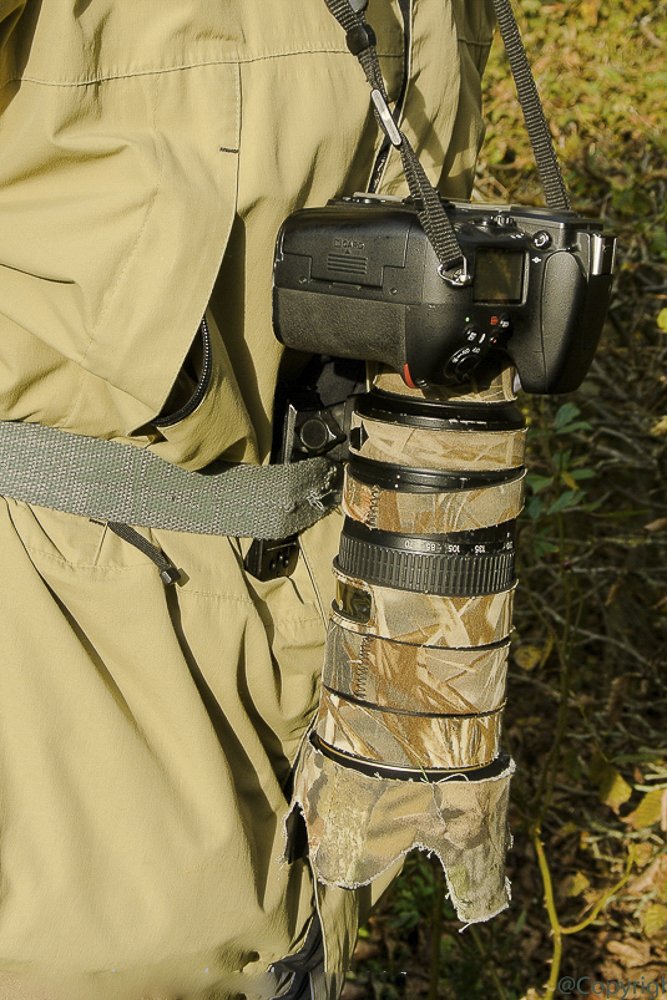
Foto at top: Photographic equipment we used or are using in yor bird photography (excluding digiscoping).
About this page
This page is about all kinds of combinations, “sets”, you can think of to set up for all kinds of lightweight bird photography. Bird photograpers in fact sometimes use various combinations and brands of photographic equipment and everyone of them has his own ideas about this.
We have come a long way doing the very same thing: we used different brands like Panasonic, Fujifilm, Nikon, Swarovski, we tried scoping, digiscoping, digicompacts, DSLR’s, Mirrorless camera’s, primes, telelenses, zoom lenses, converters, aspherical converters, tripods, monopods, rice bags, etcetera. Our first project was digiscoping because of the fantastic reach. Our first final decision was about Nikon being our favourite brand. Look at Why Nikon?. After many years of experimenting and tessting we eventually concluded that we needed at least two but preferably three and ideally four combinations of Nikon equipment covering our ecomplete spectrum of bird photography: small and large birds, birds close by and far away, up p 150 meter, and last but no least including unexpected (actions) of various bird species and these memorable Once In a Lifetime (“OIL”-situations like we call them).
So, after years of trial and testing, we are quite happy with our following sets of photographic equipment. Using this modern lightweight equipment we always work handheld and but rarely use our lightweight but stable Cooman tripod with Sirui head if we need to quickly point camera at birds at large distance, like the Caspian Terns at 125 meter in one of the examples below.
You need one to four but at least two “standard combinations” or one “fast zoom”
After many years of lightweight bird photography we found that we needed al least two, preferably three and idealley four sets of photographic equipment forour complete bird photography:
- (1) First of all some kind of “light fast short zoom” for unpredictable (action) various (expected) species not too far away small or larger birds at varying distance“, for example larger seabirds, Terns, Gulls and the like, the type of combination that press photographers use. Short fast zoom. D500 Nikkor 70-200 mm f/2.8 VR II TC20E III equivalent 105-600mm 10 fps: (expected) resting and active large-very large birds close by, anyway not too far away because of restricted equivalent: Target: seabirds, Herons, Storks, Swans, Geese, Gannets, Skua’s, Gulls, Terns and the like.
- (2) A short light telelens for fast action bird photography; combination must be light to follow fast flying birds in flight (“BIF’s”). Short lightweight tele: D500 or Z50 Nikkor 300mm f/4.0E PF VR TC 14E [or TC-20E III] equivalent 750-1050mm 10 fps [or 750-1500mm] 10 fps: fast bird action not too far away. Nikkor 300mm f/4D non VR produces incredibly detailed pictures or extremely light Nikkor 300 f/4E PF VR being an ideal handheld stabilised lightweight lens also supporting high quality aspherical TC-20E III converter and this also in combination with Nikons mirrorless System 1 and Z camera’s. Target: Fast flying birds like Terns, Gannets, Gulls the like. Particularly fast and or unpredictable action or happenings not too far away.
- (3) Preferably a preferably a third one for qqq: our “universal kit”. [D500 or] Z50 Nikkor 500mm f/5.60E PF VR TC14E III equivalent 750-1050mm 10 fps: [Action of] small or large birds close by and far away like Kingfishers, Shrikes, Bee-eaters and the like. Our “universal default combination” (TC-20E III at hand if Z50 and equivalent 1500mm required, Nikon D500 does not support aspherical converter TC-20E III at Nikkor f/5E PF VR 500mm. Target: Fast flying birds like Terns, Gannets, Gulls the like. Particularly fast and or unpredictable action or happenings not too far away.
- (4) Definitely a long telelens for maximal reach bird photography using Nikon TC-20E III. Z50 Nikkor 500mm f/5.60E PF VR TC20 III equivalent 750-1500mm 10 fps: Primarily maximal reach of small birds far away like Kingfishers, Shrikes, Bee-eaters and the like.
As one single alternative we use either D500/Z50/Z7 II Sigma Sports 150-600mm f/4.5-6.3 or D500/Z50/Z7 II Tamron G2 150-600mm f/4.5-6.3 for both reach and action photography. Depending on the type of trip or travel and the type of birds we are expecting, we prefer the sturdiness and high optical quality and accept the extra weight of the Sigma Sports or take the much lighter Tamron G2 with comparable high optical quality.
- (1) Short fast zoom. D500 Nikkor 70-200 mm f/2.8 VR II TC20E III equivalent 105-600mm 10 fps: (expected) resting and active large-very large birds close by, anyway not too far away because of restricted equivalent: Target: seabirds, Herons, Storks, Swans, Geese, Gannets, Skua’s, Gulls, Terns and the like.
These four categories require essentially different kinds of equipment and you cannot cover four categories of bird photography with one combination of equipment unless you compromise and use but one camera with sufficent frame rate and a (semi) professional telezoom. At present we use the following equipment, like our Combo1:


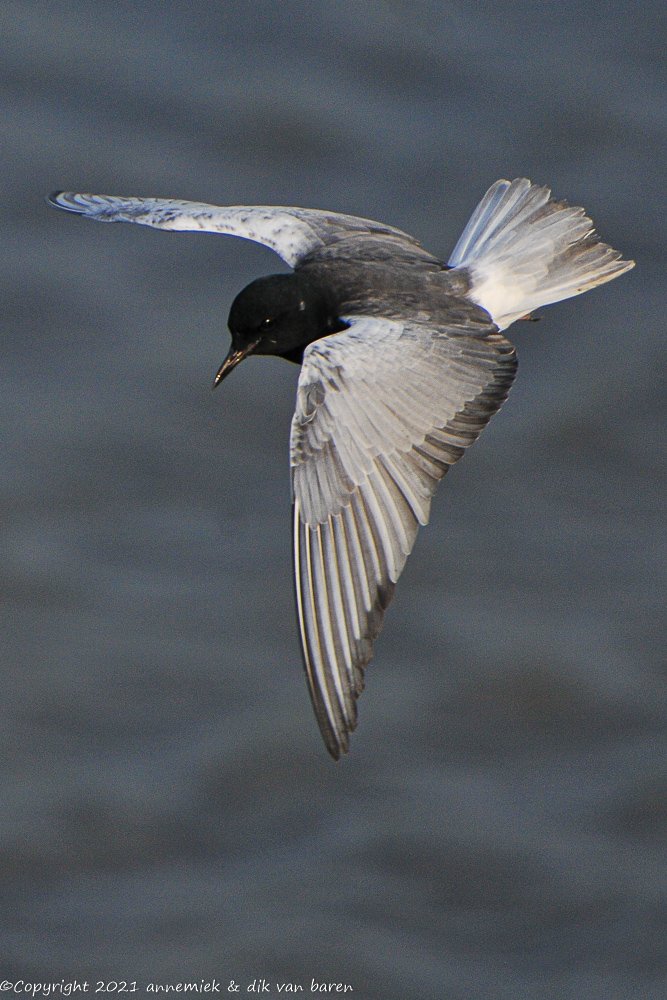


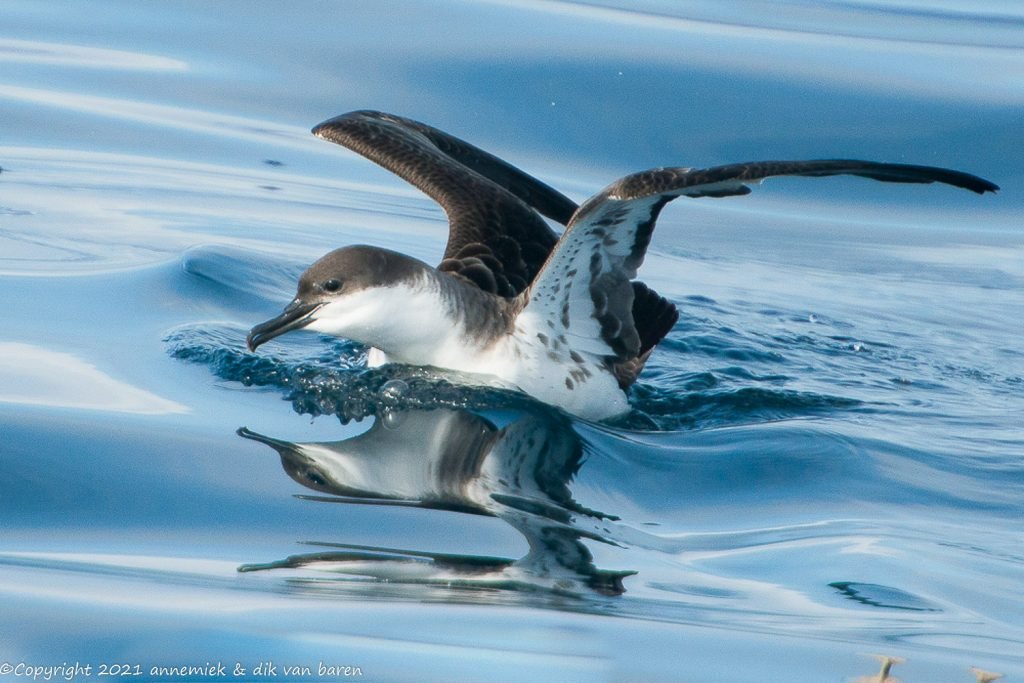

- (2) Short lightweight tele: D500 or Z50 Nikkor 300mm f/4.0E PF VR TC 14E [or TC-20E III] equivalent 750-1050mm 10 fps [or 750-1500mm] 10 fps: fast bird action not too far away. Nikkor 300mm f/4D non VR produces incredibly detailed pictures or extremely light Nikkor 300 f/4E PF VR being an ideal handheld stabilised lightweight lens also supporting high quality aspherical TC-20E III converter and this also in combination with Nikons mirrorless System 1 and Z camera’s. Target: Fast flying birds like Terns, Gannets, Gulls the like. Partiularly fast and or unpredictable action or happenings not too far away.


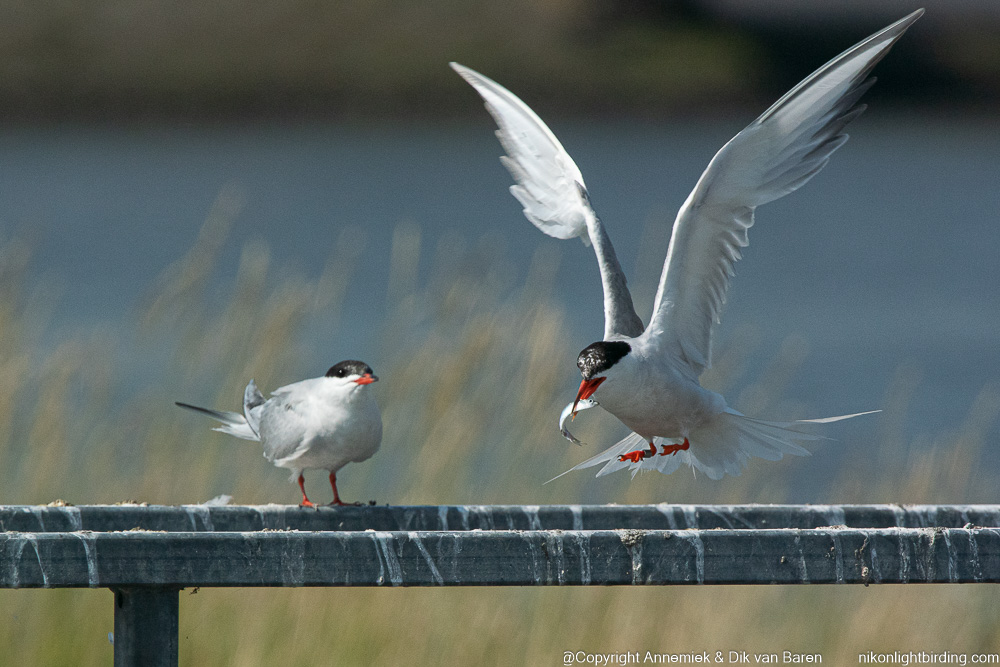


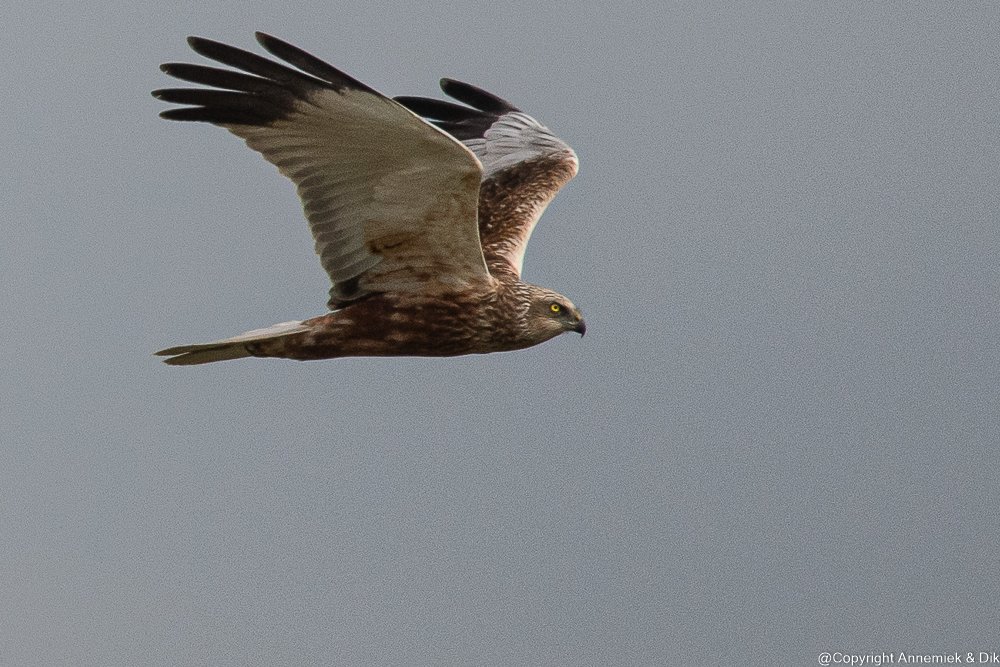
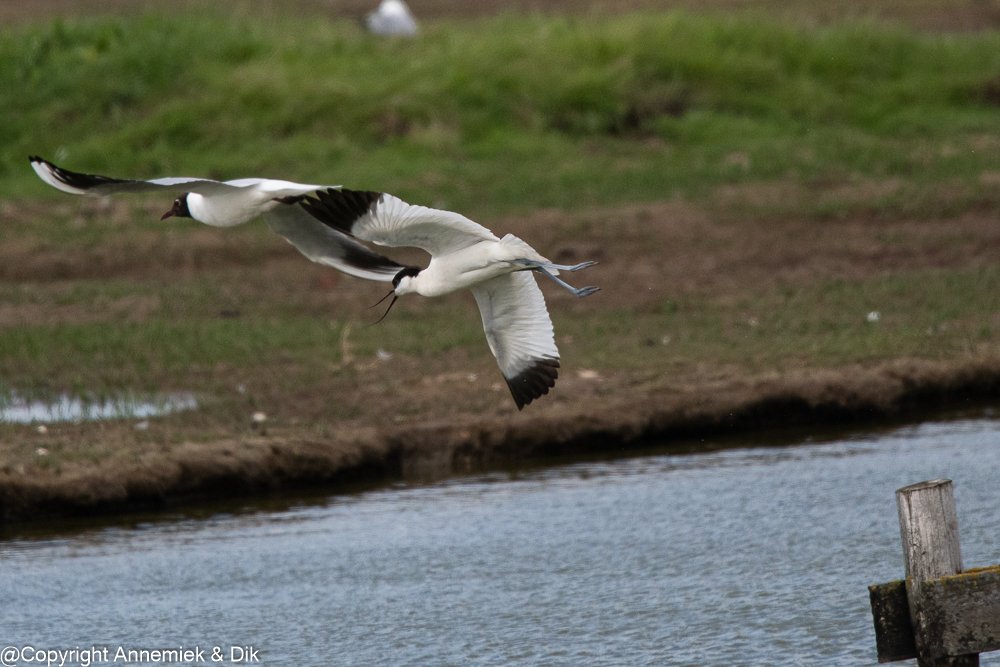


- 3. [D500 or] Z50 Nikkor 500mm f/5.60E PF VR TC14E III equivalent 750-1050mm 10 fps: [Action of] small or large birds close by and far away like Kingfishers, Shrikes, Bee-eaters and the like. Our “universal default combination” Often er have TC-20E III at hand if we use Z50 and more reach is required (Nikon D500 does not support).


- 4. Z50 Nikkor 500mm f/5.60E PF VR TC20 III equivalent 750-1500mm 10 fps: Primarily maximal reach of small birds far away like Kingfishers, Shrikes, Bee-eaters and the like.


(5) As one single alternative we use either D500/Z50/Z7 II Sigma Sports 150-600mm f/4.5-6.3 or D500/Z50/Z7 II Tamron G2 150-600mm f/4.5-6.3 for both reach and action photography. Depending on the type of trip or travel and the type of birds we are expecting, we prefer the sturdiness and high optical quality and accept the extra weight of the Sigma Sports or take the much lighter Tamron G2 with comparable high optical quality.


More examples in: Examples reach
